What to Feed a Wild Bat
Masterson returned shortly after his 1876 Texas shootout to his sort-of home base, Dodge City, Kansas, a frontier town that was on its way to becoming the epicenter of a booming cattle trade. Dodge City at the time was full of rich ranchers and cowboys with money to spend and steam to blow off. It was a town filled with saloons, gambling halls, brothels and violence.
"It was a place that was doing great business because the cowboys were getting paid ... hotels were opening up, restaurants. There were people there who wanted to establish Dodge City as a good, peaceful town and raise a family, build churches and schools and all kinds of stuff," Clavin says. "But it was also a place that was pretty lawless. If you were trying to be a really effective lawman in the mid-1870s in Dodge City, there were a lot of bullets with your name on it.
"So it was a very raucous kind of town where the cowboys ruled. But there was also a business element that didn't want to tame Dodge City that didn't want it to be a place to raise a family. Especially the saloon business. They were making tons and tons of money, so why kill the Golden Goose?"
There in Dodge City, deputy Wyatt Earp — still a few years away from his starring role in the most famous gun-blazing showdown in American West history, at the O.K. Corral in the Arizona Territory town of Tombstone — approached Masterson about becoming a lawman. About a year later, days shy of his 24th birthday, Masterson was elected sheriff of Ford County. His brother Ed was named marshall of Dodge City, and a new era of law enforcement in west Kansas was launched.
Many of the stories in Bat's time in Dodge City involve, as might be expected of the time and place, gunfire and death. After his return from Texas, but before he was elected sheriff, he was involved in a scrape with a local lawman — sheriff Larry Deger, whom he would later defeat in an election for sheriff — when Masterson evidently interfered with an arrest. Masterson was arrested, but he didn't go quietly.
"Bat Masterson seemed possessed of extraordinary strength," a June 9, 1877, dispatch in the Dodge City paper read, "and every inch of the way was closely contested, but the city dungeon was reached at last, and in he went. If he had got hold of his gun before he went in, there would have been a general killing."
As sheriff, in 1878, Masterson avenged the shooting death of his brother by gunning down the two culprits. He captured known outlaws. He formed posses to track down outlaws. He was known as a tough, imposing presence all over the county. Still, he was voted out of office in 1879, closing perhaps the most exciting chapter in what would turn into an exciting, peripatetic life.
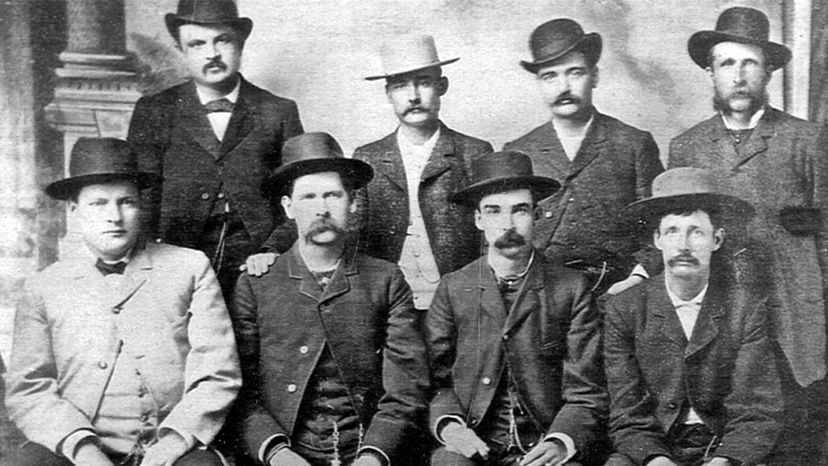
Masterson further polished his reputation as a gunfighter after his Dodge City law career ended, spent plenty of time in saloons, briefly became sheriff of a Colorado town, moved to Denver, got in another scrap or two, returned to Dodge as part of a famed "Peace Commission" that re-installed a Masterson favorite to power, and became a somewhat renowned expert on sports (especially boxing) and gambling. He attended prizefights throughout the nation, and made friends with many boxers and other athletes.
Public Domain
Source: https://history.howstuffworks.com/historical-figures/bat-masterson.htm
0 Response to "What to Feed a Wild Bat"
Post a Comment